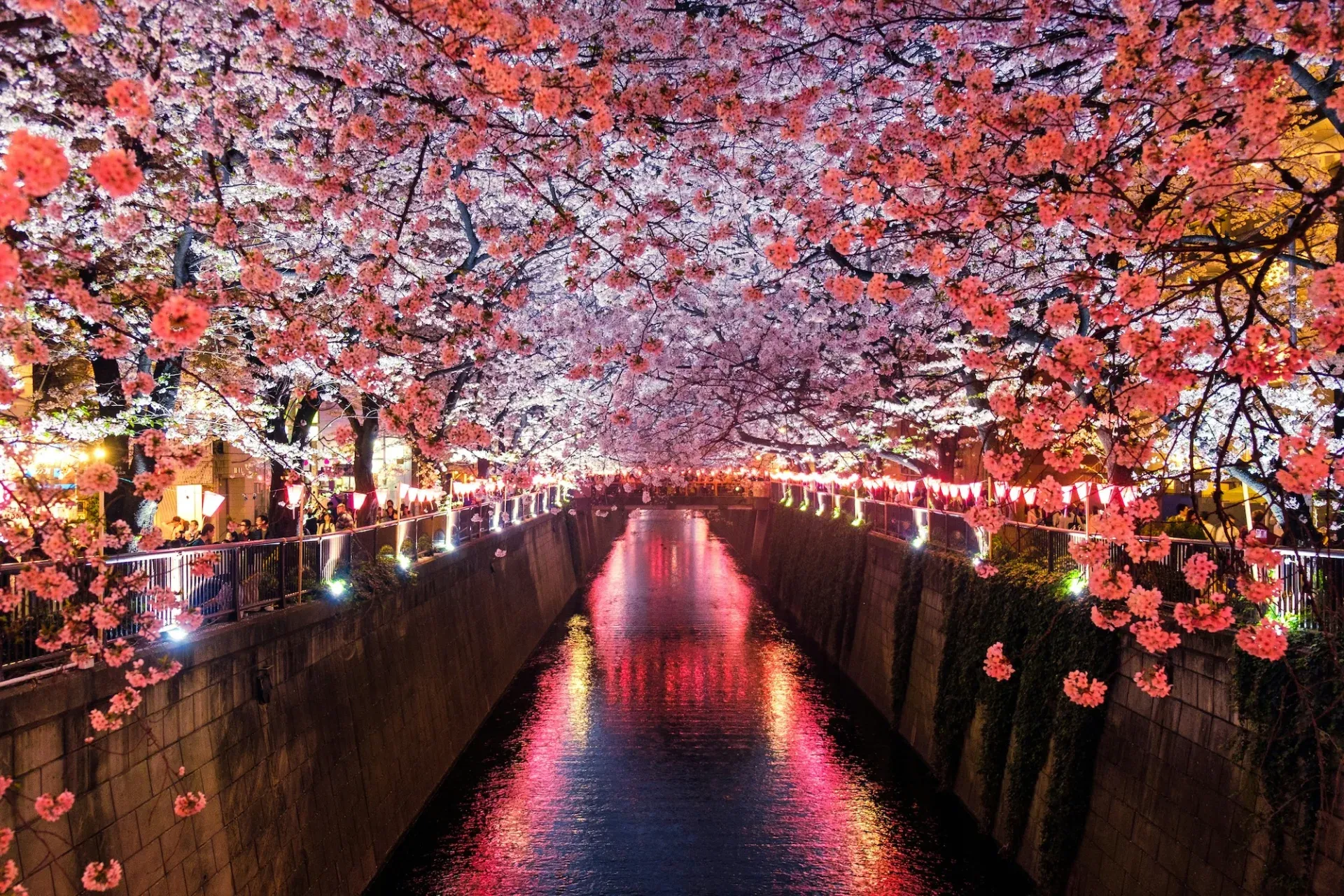
It’s Japan’s second-largest island, roughly the size of Austria, and every blog post seems to promise you can “see it all” in seven days. You can’t. But you can have an incredible week if you stop trying to check every box and instead pick one loop that flows naturally. That’s what this itinerary does: Sapporo, Otaru, Furano/Biei, and Noboribetsu/Lake Toya, in a route that starts and ends in Sapporo — ideal if you’re flying in and out of New Chitose Airport.
This works whether you’re coming for the powder snow in winter, the lavender fields in summer, or just trying to escape Honshu’s brutal heat (Hokkaido’s summers rarely break 26°C, which honestly should be advertised more aggressively).
Why Hokkaido Deserves Its Own Trip (Not a Side Trip)
A lot of first-time Japan travelers treat Hokkaido as an afterthought — a quick detour from Tokyo. That’s a mistake. Hokkaido has its own food culture (Sapporo ramen, fresh uni, Yubari melon), its own pace, and landscapes that genuinely don’t look like anywhere else in Japan — rolling patchwork farmland, volcanic lakes, and hot spring towns fed directly by the earth beneath them.
The trade-off is distance. Towns here are spread far apart, so this itinerary is built as a clean loop out of Sapporo rather than a zigzag across the island.
Quick Overview: The 7-Day Route
Day | Base | Highlights |
1 | Sapporo | Arrival, Odori Park, ramen alley, evening in Susukino |
2 | Sapporo | Sapporo Beer Museum, Hokkaido Shrine, Nijo Market |
3 | Otaru (day trip) | Canal, glass workshops, sushi lunch |
4 | Furano/Biei | Farm Tomita, patchwork road, scenic viewpoints |
5 | Furano/Biei → Noboribetsu | Blue Pond, Shirogane Onsen, drive south |
6 | Noboribetsu | Jigokudani (Hell Valley), onsen soak |
7 | Lake Toya → Sapporo | Lakeside walk, Mt. Usu ropeway, drive back for departure |
Day 1–2: Sapporo, the Easy Landing Spot
Sapporo is where you land, and honestly, it’s a good place to ease in. It’s a real city with a subway system, so after a long flight you’re not immediately fighting with rural bus timetables.
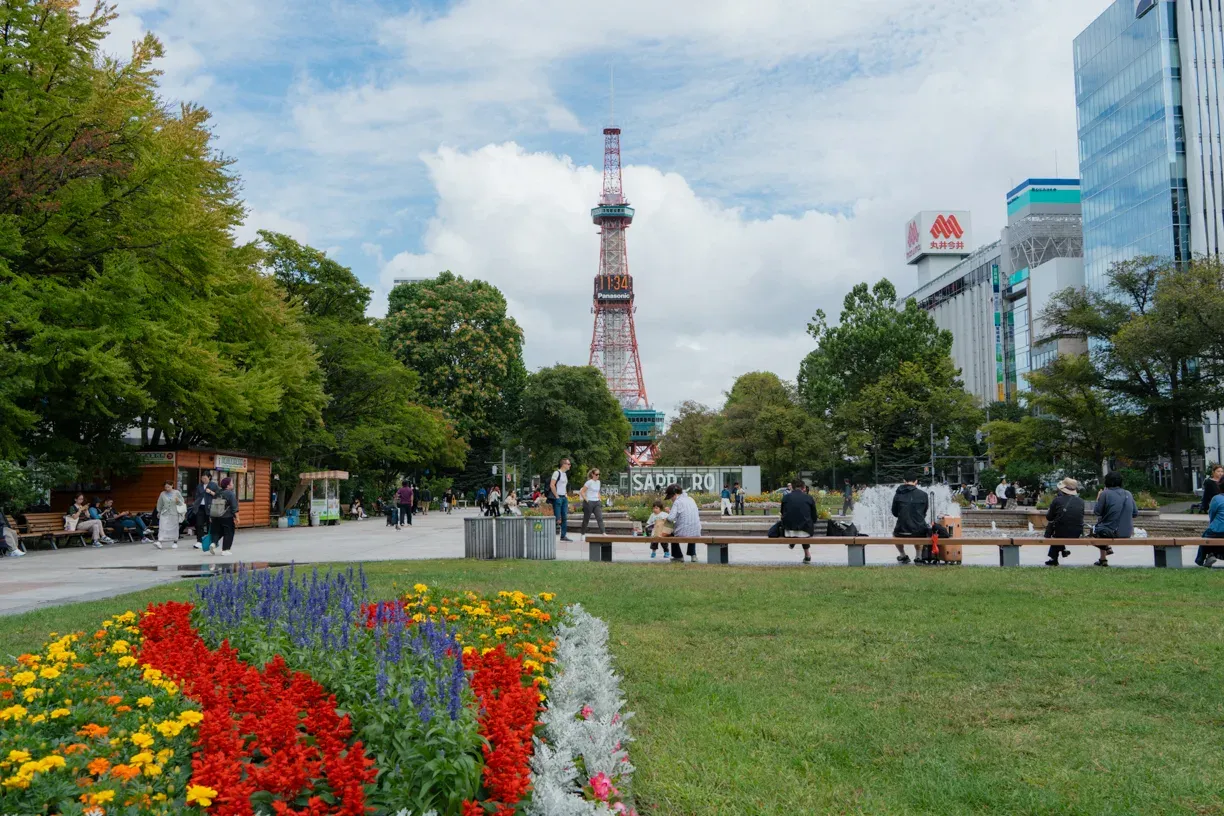
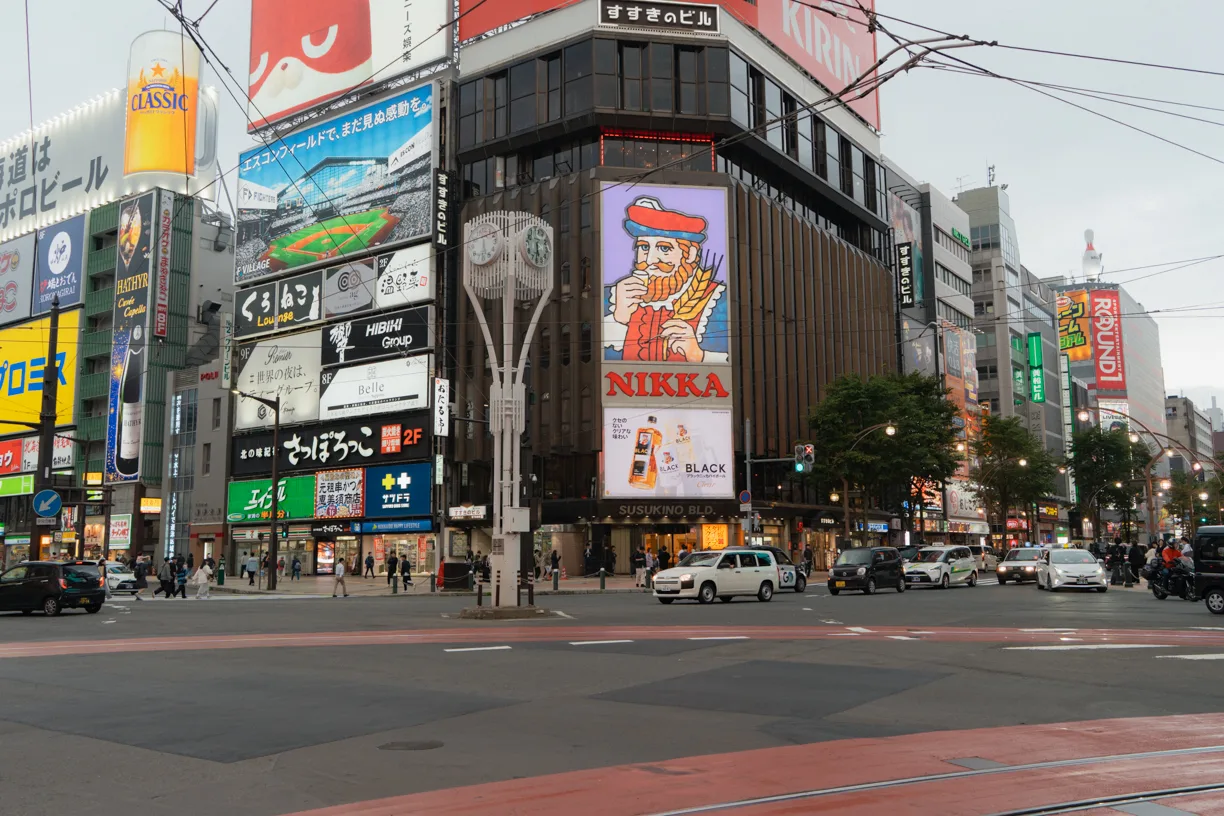
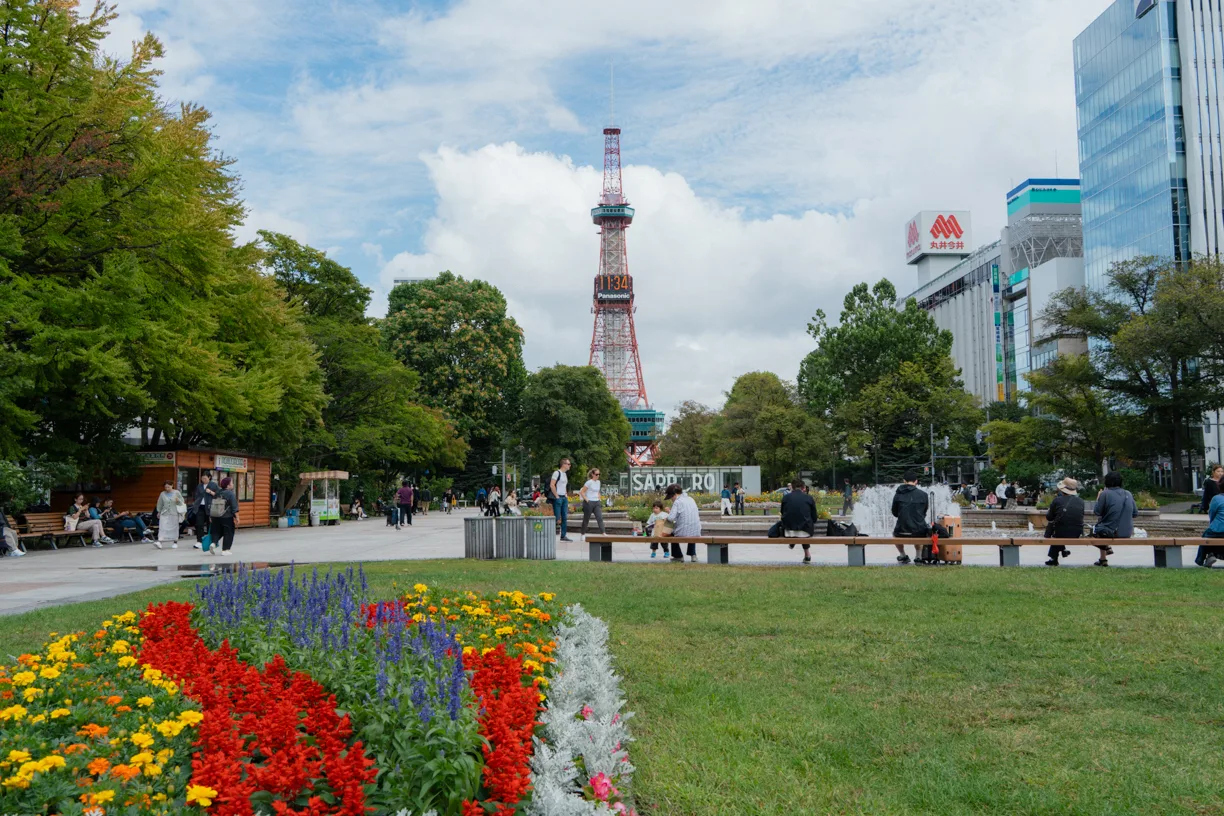
Day 1 is for wandering. Odori Park cuts through the city center and is the site of the Sapporo Snow Festival every February if you’re visiting in winter. From there, head to Ramen Yokocho in Susukino — a narrow alley packed with tiny ramen shops, most seating fewer than 10 people. Get the miso ramen; Sapporo basically invented the style.
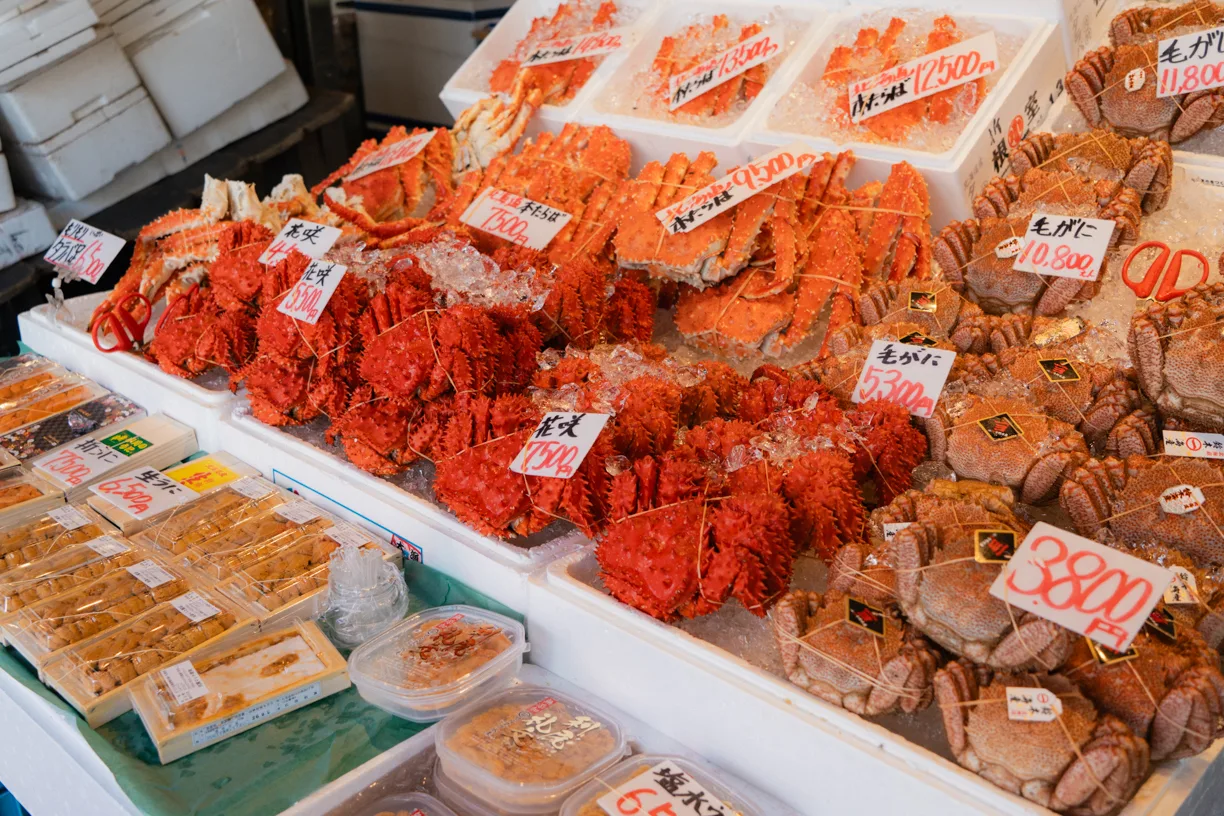
Day 2 is for the things people actually come to Sapporo for: the Sapporo Beer Museum (free, and the beer garden next door is not free but worth it), Hokkaido Shrine if you want a quieter, forested contrast to the city, and Nijo Market for insanely fresh seafood — the uni and ikura don rice bowls here are the kind of meal you end up describing to people for years.
Personal note: I planned to spend an hour at Nijo Market and stayed longer, because I kept getting talked into “just one more” thing by the vendors. Budget more time than you think you need.
Day 3: Otaru, a Half-Day That Feels Like a Full Trip
Otaru is about 40 minutes from Sapporo by JR train, making it an ideal day trip. If you’re planning multi-city rail travel for this trip, it’s worth pricing out a JR Hokkaido Rail Pass in advance — it can save a meaningful amount over individual tickets, especially once you factor in the Sapporo–Otaru leg alongside other train segments.
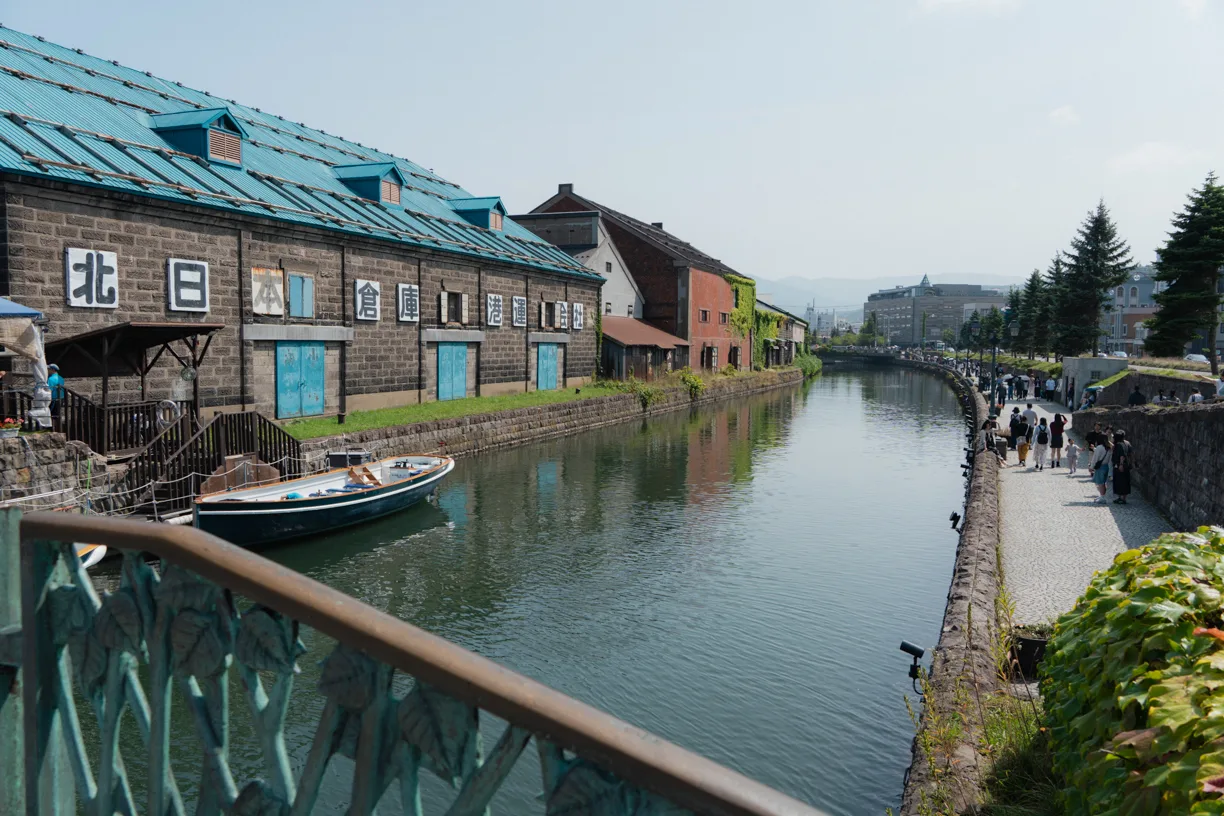
The canal area, lined with old warehouses converted into shops and cafes, is the postcard shot everyone takes, and it earns it — especially at dusk when the gas lamps come on. Otaru is also known for some of the best sushi in Hokkaido thanks to its port; Sushiya-dori (Sushi Row) has dozens of options at a range of price points.
If you’re renting a car for this trip rather than relying on rail, this is a good day to pick it up, since the drive from here toward Furano is where a car starts paying for itself.
Day 4–5: Furano and Biei, Hokkaido’s Postcard Countryside
This is the part of the itinerary that makes people stop scrolling. Furano and Biei are farming towns roughly 2.5 hours from Sapporo, known for lavender fields in summer and a rolling, almost Tuscan-looking countryside year-round.
Farm Tomita is the famous lavender farm — peak bloom is typically mid-to-late July. Even outside bloom season, the farm shop’s lavender soft-serve is worth the stop.
Biei’s “Patchwork Road” and “Panorama Road” are scenic driving routes past farmland, individual trees that have become minor celebrities (look up “Ken and Mary’s Tree” — yes, it’s named after a car commercial), and viewpoints that make it obvious why photographers love this area.
On Day 5, don’t skip the Blue Pond (Aoiike) near Biei — a small pond that turns a startling, almost artificial-looking blue depending on light and mineral content in the water. It’s a short stop, maybe 30–45 minutes, but it photographs unlike anything else on this trip. Pair it with a soak at Shirogane Onsen nearby before starting the drive south toward Noboribetsu.
Furano vs. Biei at a Glance
Furano | Biei | |
Best for | Lavender fields, family-friendly farms | Scenic drives, photography, quiet countryside |
Peak season | Mid-late July | June–September, but scenic year-round |
Vibe | More developed, more tourist infrastructure | Smaller, more rural, fewer crowds |
Day 6: Noboribetsu, Hokkaido’s Onsen Capital
Noboribetsu is roughly 2–2.5 hours from Furano by car — one of the more dramatic drives in the itinerary, leaving farmland behind for volcanic terrain.
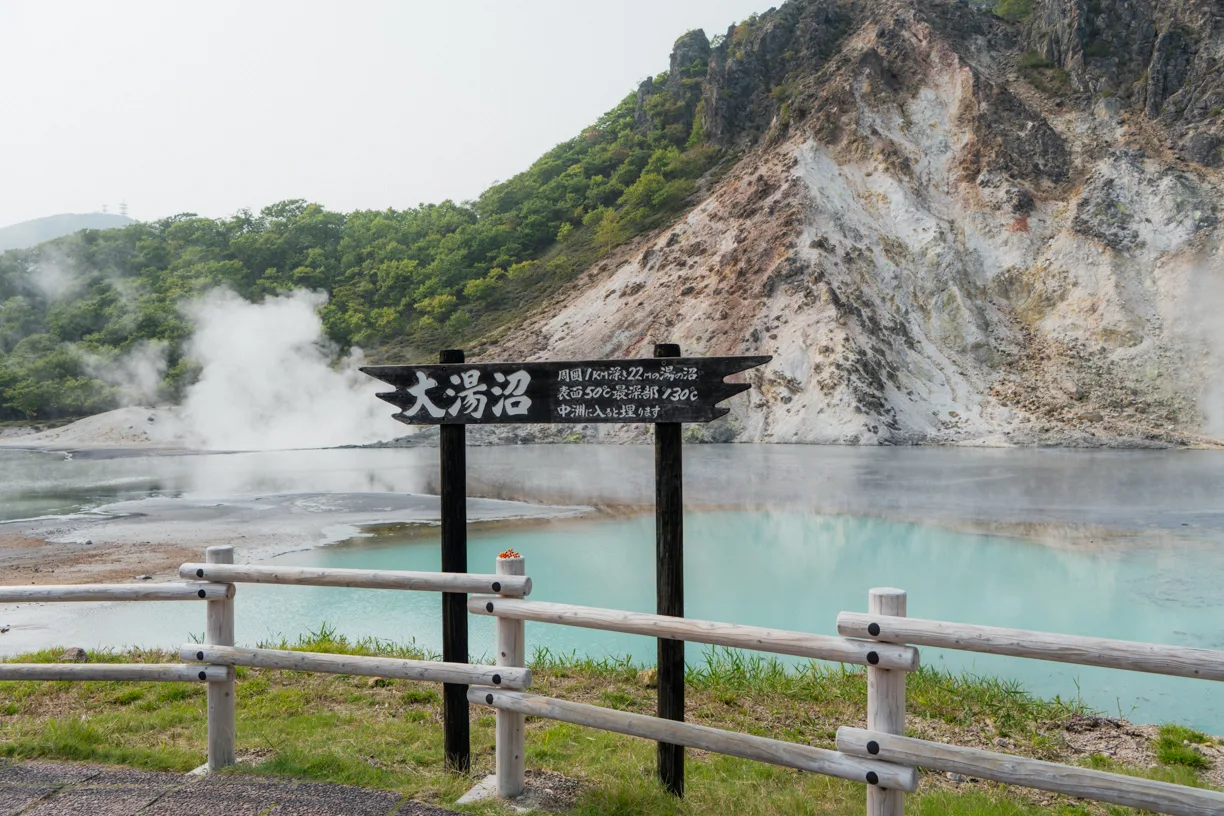
The main event is Jigokudani, or “Hell Valley,” a volcanic crater with steaming vents, bubbling mud pools, and a sulfur smell that announces itself before you even arrive. It’s genuinely striking to walk through, especially with the boardwalk trails that let you get close without the smell overwhelming you for too long. There’s also a short hike up to Oyunuma Pond, a hot lake that literally feeds the town’s onsen water.
After that, this is a day to actually slow down. Noboribetsu is one of Japan’s most established onsen towns — its hot springs consistently rank among Japan’s best, and most ryokan here have their own baths fed directly from the volcanic source, some with different mineral compositions in the same building.
If you’d rather not arrange your own transport for the day, Klook has guided Jigokudani and Noboribetsu day options with set pickup times, which takes some of the planning off your plate.
Day 7: Lake Toya, Then Back to Sapporo
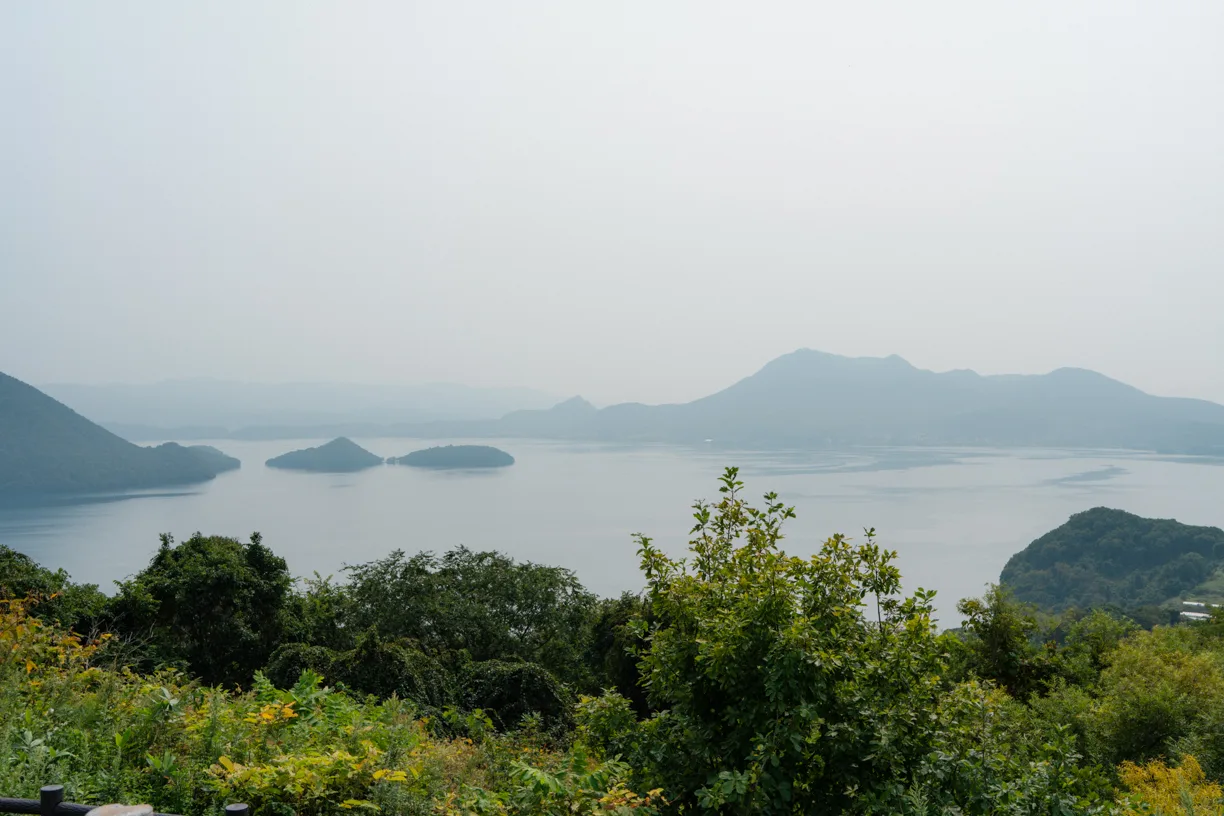
Lake Toya is about 30–40 minutes from Noboribetsu. Toya is a caldera lake, meaning it formed inside a collapsed volcanic crater, and the still water against the surrounding mountains makes for one of the calmer mornings you’ll have all trip. The Mt. Usu ropeway gives you a view over both the lake and the still-active volcanic landscape nearby — Usu last erupted in 2000, and parts of the affected area have been preserved as an open-air disaster memorial. Klook also carries Mt. Usu ropeway tickets with a fixed time slot, which is useful if you don’t want walk-up lines eating into your return-drive schedule.
From Toya, it’s about 2 hours back to Sapporo by car. If your flight is in the afternoon or evening, this leaves time to swing back into the city for one last meal or some last-minute shopping — Sapporo Station’s underground mall is a good spot to burn an hour — before heading to New Chitose Airport, about 45 minutes south of the city center.
If your flight is early or midday instead, skip the Sapporo detour and drive from Toya directly to New Chitose Airport, about 1.5 hours, so you’re not cutting the timing too close.
Personal note: I always build in one “buffer” activity on a departure day that I’m happy to skip if I’m running late. Sapporo Station’s ramen alley worked well for this — close to both the train and the airport limousine bus, and forgiving if you only have 30 minutes instead of 90.
Getting Around: Rail Pass vs. Rental Car
Since this route loops back to its starting point, a rental car works cleanly — you can pick up and drop off at the same location (Sapporo or New Chitose Airport) rather than paying a one-way drop-off fee.
JR Hokkaido Rail Pass | Rental Car | |
Best for | Sapporo/Otaru legs only | Furano/Biei through Noboribetsu/Toya and back |
Pickup/drop-off | N/A | Same location both ways — no one-way fee |
Recommendation | Use for Days 1–3 | Switch to this for Days 4–7 |
A reasonable approach: use the JR Hokkaido Rail Pass for Days 1–3, then switch to a rental car starting Day 4 and return it in Sapporo or at New Chitose Airport on Day 7.
Where to Stay
Sapporo: Susukino or Odori — you’ll be here at both the start and end, so a centrally located hotel makes both bookends easy. Trip.com often shows multi-date availability clearly enough to book both your arrival and departure nights in one go if you want to hold the same room.
Furano/Biei: Small ryokan and pensions are common and often include home-cooked meals.
Noboribetsu: Worth the splurge — a ryokan with in-room or private onsen access is a nice reward after several days of walking.
Lake Toya: Most people treat this as a morning stop rather than an overnight, given it’s the final day before heading back to Sapporo.
Practical Tips
Best season: Winter (Dec–Feb) for snow and skiing; summer (Jun–Aug) for lavender and comfortable temperatures; autumn (late Sep–Oct) for foliage.
Book Farm Tomita season lodging early — July accommodation in Furano fills up months in advance.
Return rental cars at Sapporo or New Chitose Airport to avoid one-way drop-off fees.
Check your flight time before deciding on the Sapporo detour on Day 7 — it only works comfortably with an afternoon or evening flight.
Bring a change of clothes that don’t need to smell nice — the sulfur smell near Jigokudani lingers on fabric.
Consider a JR Hokkaido Rail Pass for the Sapporo–Otaru legs if you’re not renting a car for the whole trip.
FAQ
Is 7 days enough for Hokkaido? It’s enough for one solid loop — Sapporo, Otaru, Furano/Biei, and Noboribetsu/Toya — but not enough to also add Niseko, Asahiyama Zoo, or the eastern side of the island. Treat this as “Hokkaido, round one.”
Do I need a car? Not strictly, but it makes Furano/Biei and Noboribetsu/Toya significantly easier. If you’re not comfortable driving in Japan, especially in winter, stick to rail and buses and budget extra time for the countryside days.
Are Noboribetsu and Lake Toya actually popular, or off the beaten path? Very popular — Noboribetsu is regarded as one of Hokkaido’s leading hot spring resorts, and the Noboribetsu–Toya combination is one of the most common day-trip routes out of Sapporo. You’re not going somewhere obscure, just avoiding the extra driving distance to Hakodate.
What’s the best month to visit for lavender? Mid-to-late July is peak bloom at Farm Tomita.
Can I do this itinerary in winter? Yes, though the Furano/Biei days shift focus from lavender fields to snow-covered farmland, and the onsen stop at Noboribetsu becomes even more appealing.
Sources
Japan National Tourism Organization – Hokkaido travel information
JR Hokkaido – official rail route and pass information
Farm Tomita – official seasonal bloom calendar
Noboribetsu Tourist Association – Jigokudani and onsen information
Toya-Usu UNESCO Global Geopark – Mt. Usu and Lake Toya information
Last updated September 5, 2026

Seong
I'm based in Ibaraki, Japan, and create content on JapanToDo.com to help travelers — first-timers and seasoned explorers alike — get the most out of their trips. When I'm not researching the next great itinerary, I'm out with my camera chasing the shot that makes a place worth visiting.
Plan your Japan trip day by day, completely free.
Start planning